
The Golden State of California isn’t just about sunny days; it’s also about starry nights. For us at RWT Adventures, it’s about connecting you with those perfect dark skies that make an astrotourism journey truly magical.
We do have to admit, light pollution can be quite the party crasher in our stargazing adventures.
Understanding Light Pollution in California
Curious about the night sky’s visibility across California?
The Bortle scale will be your guide, ranging from 1 for the darkest of skies to 9 for those city-lit nights. We always aim for level 1 skies whenever we adventure across the state.
Our detailed stargazing map is your ticket to finding those amazing dark skies. Whether you’re looking to escape the glow of Los Angeles or find some peace in the shadows of the Sierra Nevadas, our map should help you out.
It’s not just about California though. Our global light pollution map extends this search worldwide, that you can use as a guide for your camping, RVing, or other astrotourism adventures like we do.
So, let’s find your next dark sky vista in California’s vast landscape.
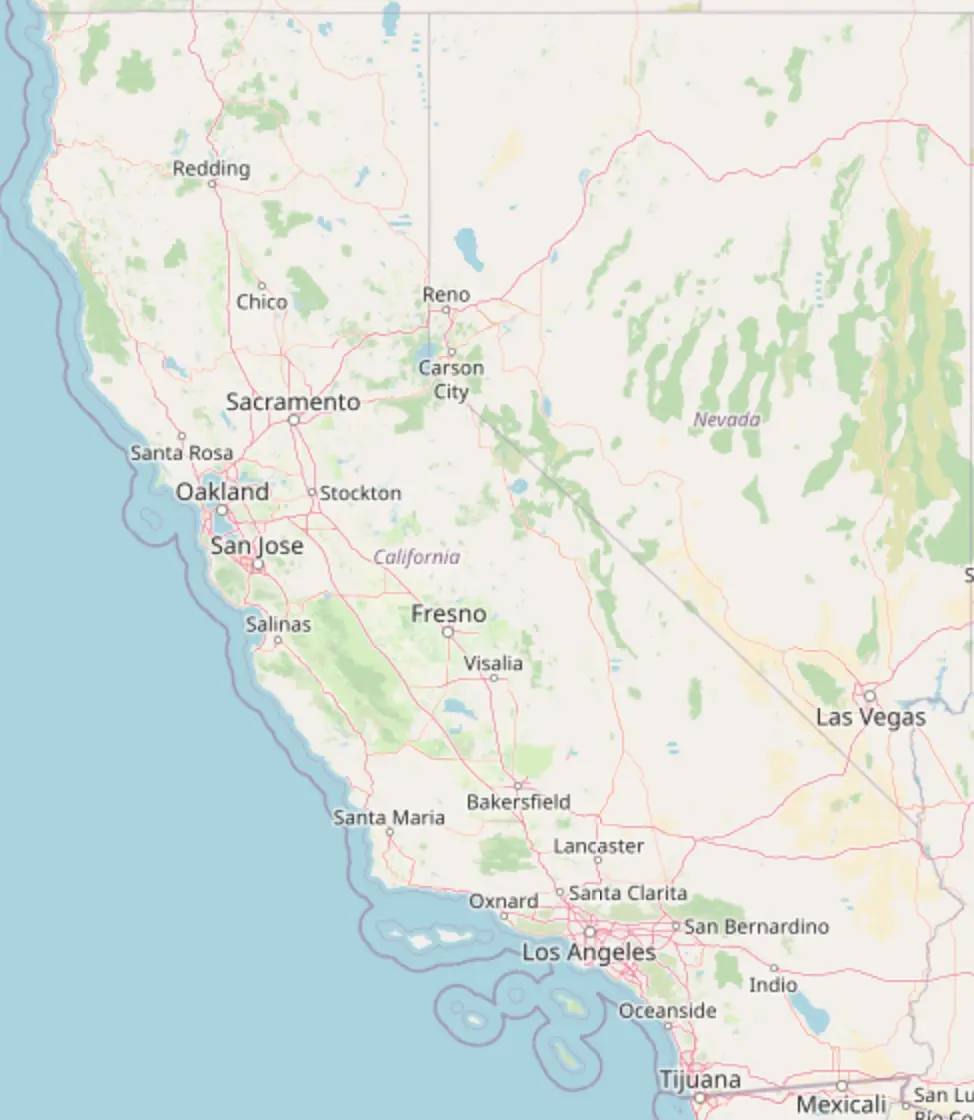

California Light Pollution Map
Dark Sky Areas: Low on the Bortle Scale
In California, many areas are renowned for their dark skies, offering stellar stargazing opportunities. We are sharing a few of our favorite.
Northern California
You can find some of the state’s darkest skies in the less-developed coastal areas and remote forests. The stretch of coastline from Piedras Blancas northward to Limekiln State Park is sheltered from urban lights by the Santa Lucia Mountains, offering dark skies for stargazing…especially when the fog hasn’t rolled in.
Further inland, the Siskiyou County and surrounding national forests like Klamath and Modoc offer dark, clear skies away from city lights.
Southern California
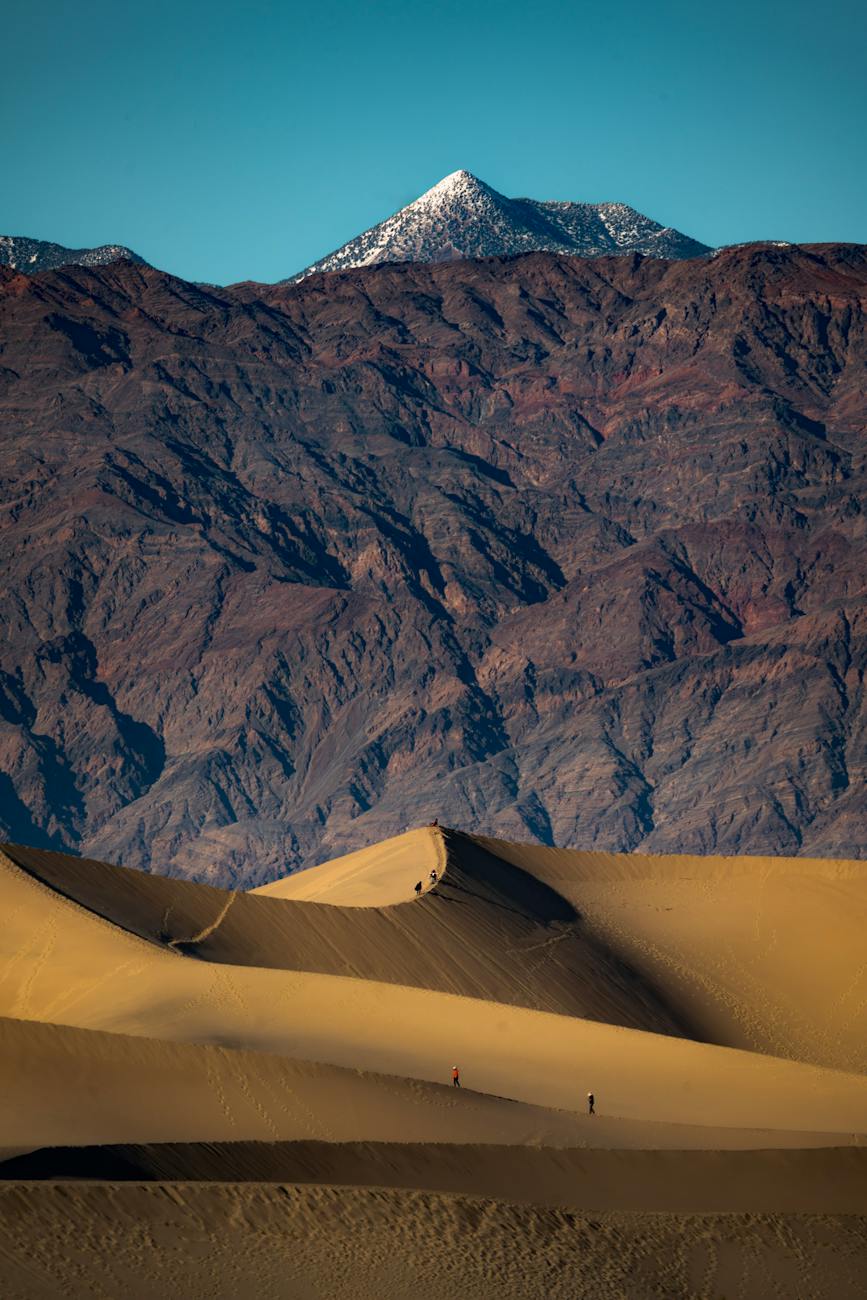
Anza-Borrego Desert State Park, California’s first International Dark Sky Community, and Joshua Tree National Park are celebrated for their dark skies. Both parks offer programs and events that cater to night sky enthusiasts. The deserts down here are pretty epic.
Eastern California
Death Valley National Park is not only the largest national park in the United States but also one of the darkest places on the Bortle scale. The park’s vast open spaces allow for unobstructed night sky views.
West California
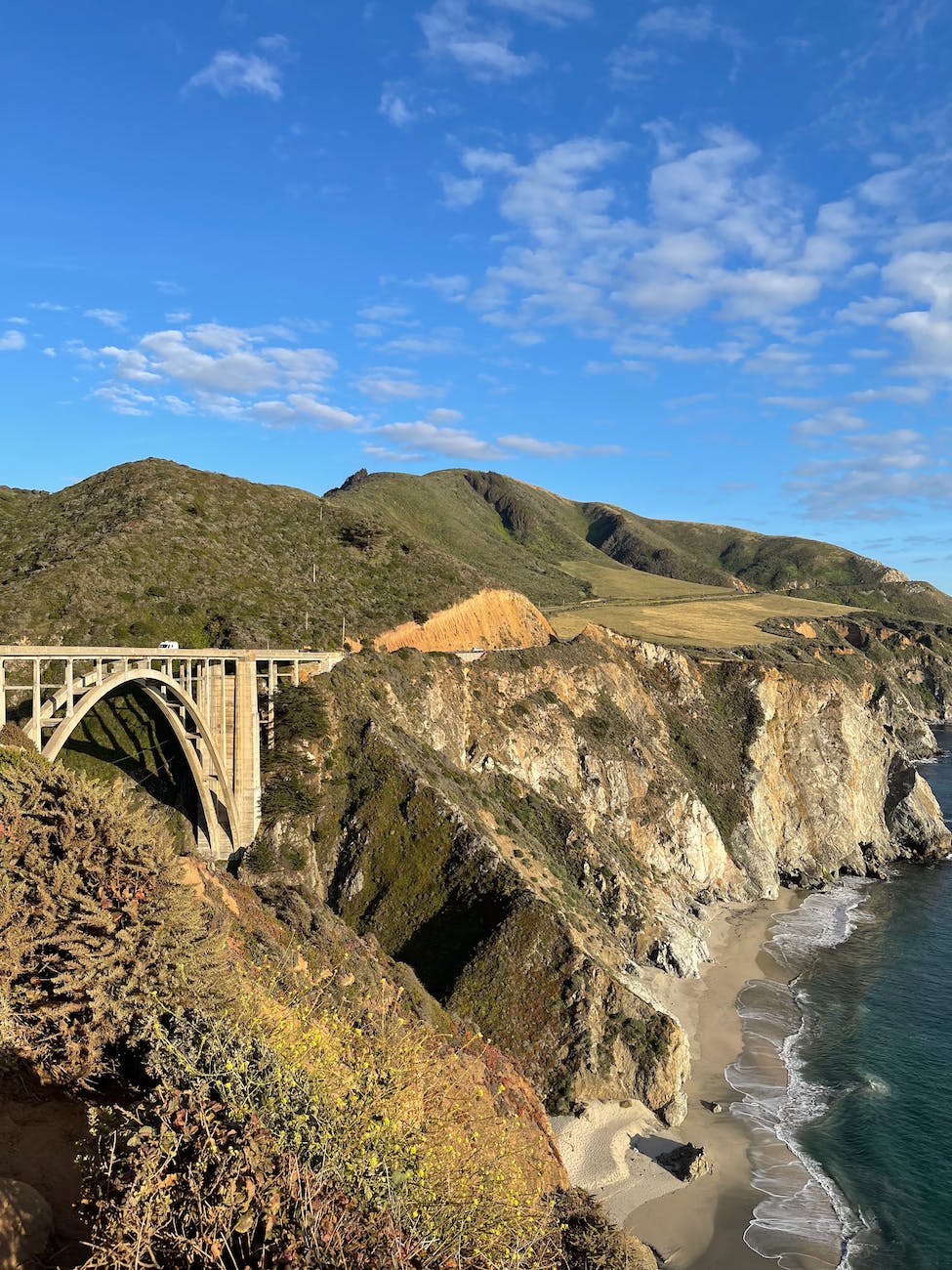
The Big Sur area is renowned for its rugged landscapes and dark skies. The steep mountains here create a natural barrier that helps limit the amount of light pollution from nearby cities, and the starry ocean views are absolutely amazing.
In the southern part of the state along the coast, the Channel Islands National Park offers a secluded stargazing experience. Accessible only by boat, the islands are an ideal spot for viewing the night sky away from the mainland’s lights.
Central California
The Sierra Nevada Mountains, including areas around Lake Tahoe and observatories like the Palomar Observatory, offer high-altitude stargazing with clear skies. Lesser-known spots like Calaveras Big Trees State Park also provide opportunities to gaze at the stars near the giant sequoias.
The Brightest Nights: Light Pollution Hotspots
It’s not all sunshine and rainbows in California when it comes to dark skies. There are plenty of places you’ll want to avoid when trying to have an excellent astrotourism adventure.
Northern California
Cities like Sacramento and Redding are significant sources of light pollution, with Sacramento’s metropolitan glow visible for miles and Redding’s city lights impacting the surrounding natural areas. These urban centers, while vibrant hubs of activity, do ruin the darkness of the night sky, making stargazing more challenging within their vicinity.
Southern California
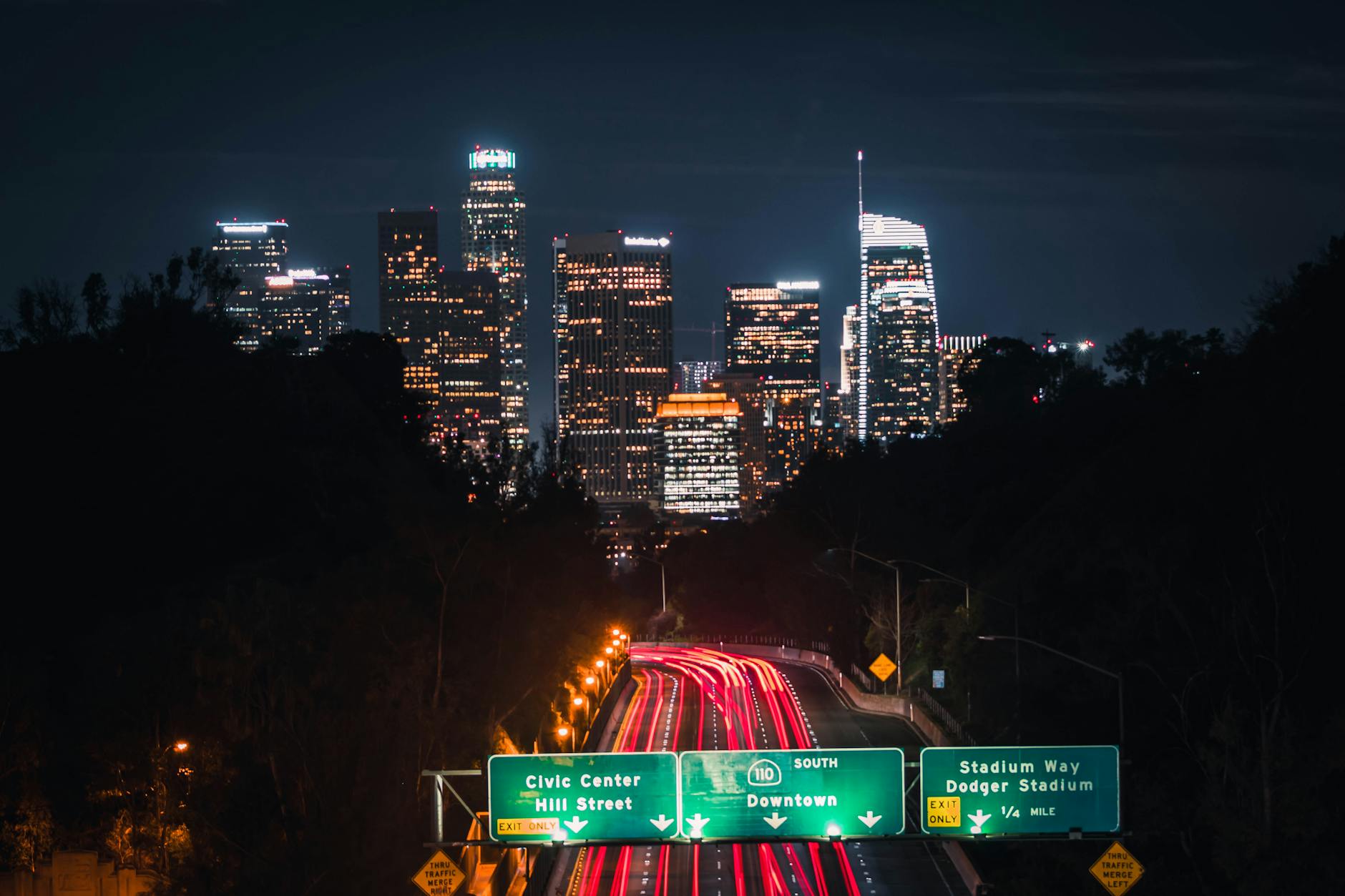
The sprawling Los Angeles area, encompassing Long Beach and the San Fernando Valley, emits a bright glow that can be seen from far beyond its borders, often obscuring the night sky. San Diego’s bright skies to the south are a stark contrast to the darkness found in the region’s desert landscapes.
Eastern California
Towns like Bishop, situated along the eastern Sierra, contribute a smaller but noticeable amount of light pollution, particularly affecting the Owens Valley. Though the impact is localized, it underscores the need for careful management of outdoor lighting to preserve the region’s otherwise dark skies.
Western California
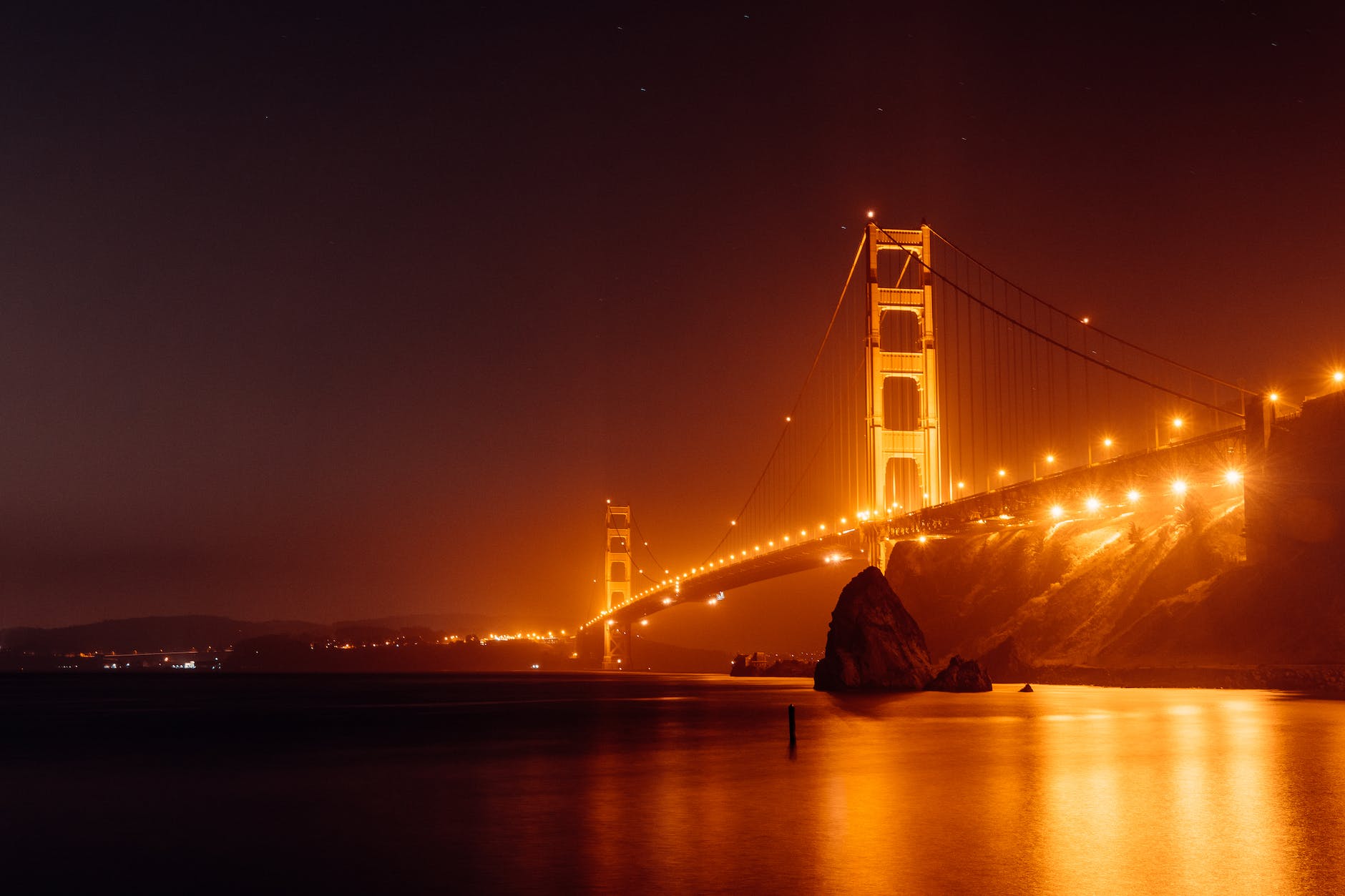
Along the Pacific coast, cities such as San Francisco, San Jose, and the surrounding Bay Area cast a significant amount of light into the sky, reducing the visibility of stars. The beautiful coastal areas are subject to this urban glow, with famous landmarks like the Golden Gate Bridge contributing to the luminous nightscape.
Central California
The Central Valley’s cities of Fresno and Bakersfield create pockets of light pollution that extend into the agricultural heartland of California. While these areas are not as intensely lit as the state’s major coastal cities, these mid-sized and smaller cities still impact the darkness of the central skies.
California’s light pollution varies from the intense brightness of its cities to the subtle glow of its towns. These hotspots remind us of the importance of dark sky initiatives and the ongoing efforts to reduce light pollution, allowing the natural beauty of the night sky to shine through.
Geographical Influence on Stargazing in California
California’s geography is diverse, with regions ranging from coastal areas and deserts to valleys and mountains, each affecting stargazing differently. This variety in landscapes across the state plays a significant role in determining where and how well you can observe the night sky.
The Central Valley
This vast agricultural heartland, stretching from Bakersfield to Redding, is bordered by the Sierra Nevada and the Coast Range. While light pollution is present in urban areas like Fresno and Sacramento, the valley’s edges and smaller towns offer clearer skies. The Sutter Buttes area, known as the “world’s smallest mountain range,” offers a unique viewing location away from the city lights.
The Sierra Nevada Mountains
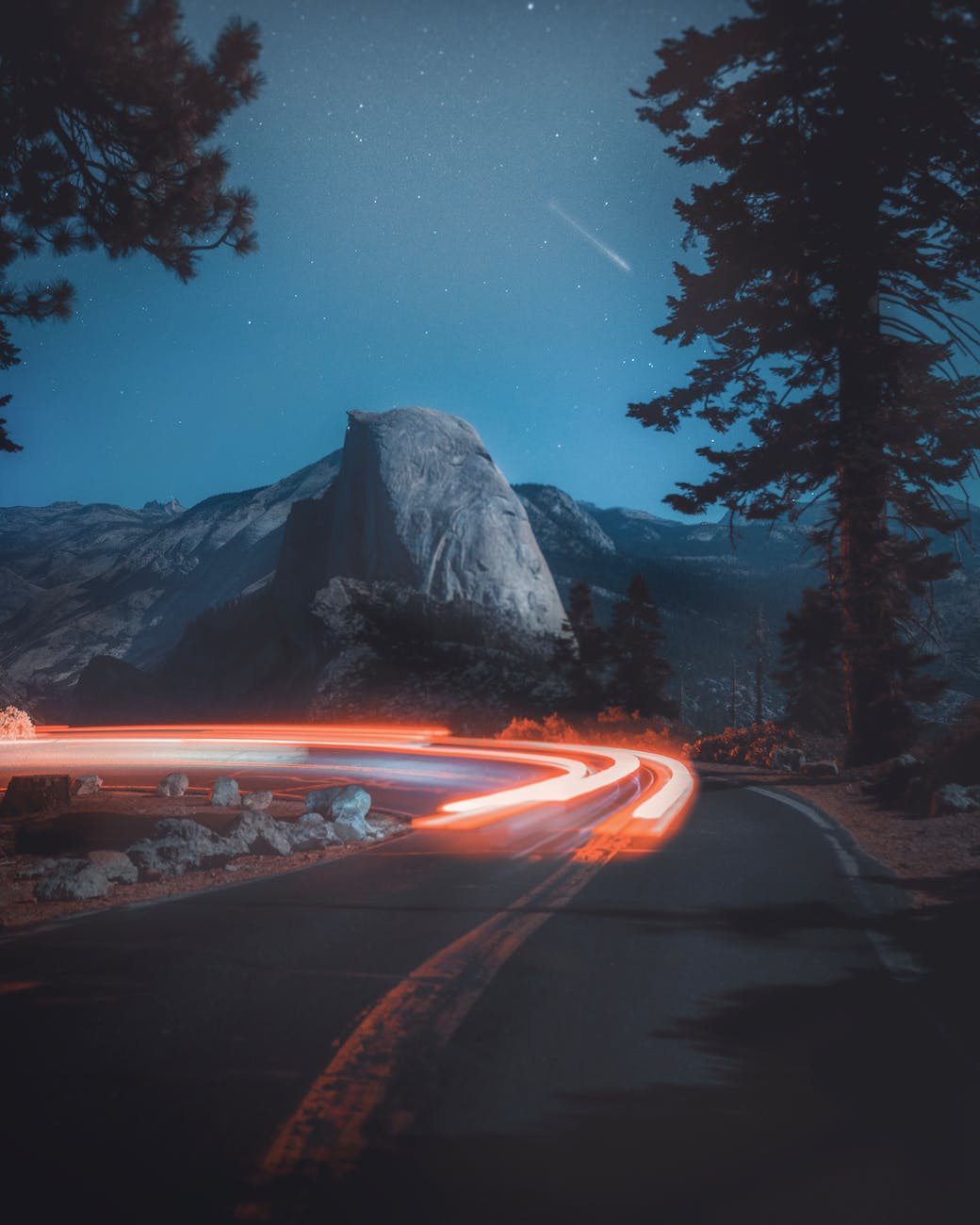
Known for its dramatic mountains and national parks, the Sierra Nevada region, including Yosemite and Lake Tahoe, is a stargazer’s dream. The high elevation and remote location contribute to some of the darkest and clearest skies in the state, and it is one of our favorite mountain ranges for both hiking and stargazing.
The Coast Range
This less-celebrated range, running parallel to the Pacific Coast, includes areas like the Mendocino and Santa Cruz Mountains. It offers secluded spots for stargazing away from the coastal cities’ light pollution.
The Deserts
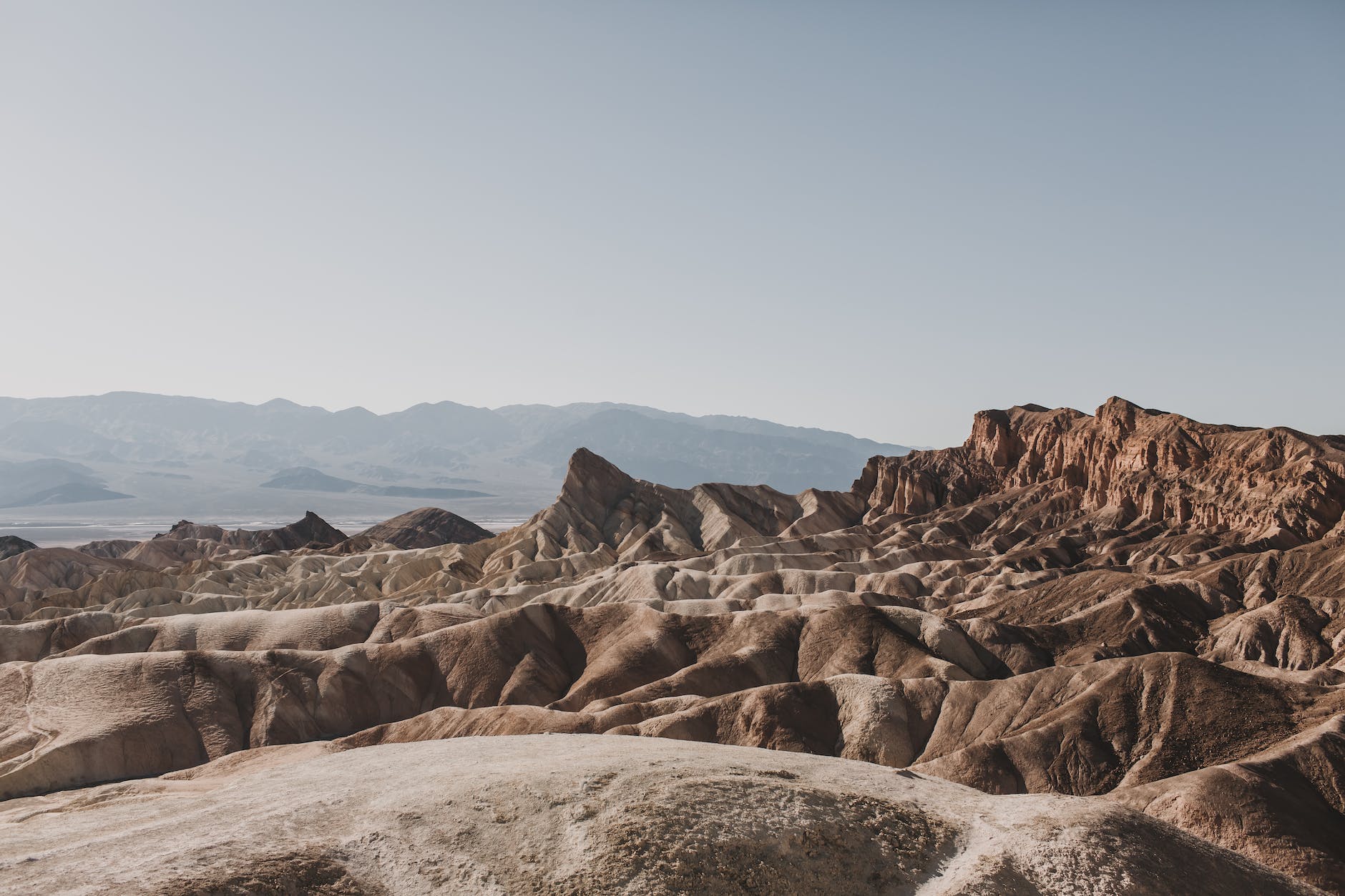
Southeastern California’s deserts, including the Mojave (with Death Valley) and the Colorado Desert are fantastic for stargazing. They offer expansive, unobstructed views of the night sky. Joshua Tree National Park and Anza-Borrego Desert State Park are famous for their dark skies and astronomy programs.
The Coasts
California’s coastline offers varied stargazing experiences. The northern coast, especially remote areas like Mendocino and Humboldt Counties, provides dark skies. The southern coast, despite urban light pollution, has dark sky pockets like those found in the Channel Islands.
Northern California’s Great Basin
This includes the northeastern part of the state, such as the Modoc Plateau. It’s less populated and known for its clear skies, making it a hidden gem for night sky enthusiasts.
Each of these regions contributes to California’s diverse stargazing potential, offering everything from high mountain peaks to vast desert plains for observing the night sky.
Stargazing Tips and Gear
When setting out for a stargazing adventure in California, having the right knowledge and equipment can significantly enhance your experience. Here are some tips and gear recommendations for the best stargazing in the Golden State.
Location
Choose spots with minimal light pollution. Areas in the deserts, mountains, or along the remote coastal regions are ideal.
Timing
Aim for nights with a new moon for the darkest skies. Clear, dry nights, particularly in desert regions, offer the best visibility.
Weather Conditions
Check the weather forecast for clear skies and minimal wind, especially in coastal or mountainous areas where conditions can change rapidly.
Essential Gear
A good quality telescope can bring distant stars and galaxies into view, while binoculars are more portable and great for beginners.
Use star maps and star apps to navigate the night sky. Apps like Star Walk or SkyView can help identify constellations and planets.
Comfort Items
Bring a comfortable chair or blanket, as well as warm clothing, especially for desert or high-altitude locations where temperatures can drop significantly at night.
Red Light Flashlights
Use red flashlights to maintain night vision and avoid disrupting the natural darkness for yourself and others.
With these tips and the right gear, you’re all set to explore California’s magnificent night skies, from the serene deserts to the towering peaks of the Sierra Nevada. Remember, each spot in California tells its own unique story of the cosmos.
Conservation and Dark-Sky Advocacy in California
California’s efforts to preserve dark skies are multi-faceted, encompassing legislative action, community initiatives, and environmental awareness.
Legislative Action
The state is considering legislation to impose stricter standards on outdoor lighting in state-owned properties. This includes installing shielding to reduce upward light spill, using timers, and employing motion-activated lighting to minimize unnecessary illumination.
Community Engagement
Dark sky advocates in California are working to increase awareness about light pollution’s adverse effects on ecosystems and human health. Local communities, especially in areas like Los Angeles and San Francisco, are encouraged to adopt environmentally friendly lighting practices.
Wildlife Protection
Excessive artificial light disrupts the natural behaviors of wildlife, particularly migratory birds. Efforts all across California are underway to minimize light pollution and safeguard species.
Mindful Lighting
The state is promoting the use of LED lights, which can be tailored to emit less harmful light. California also focuses on educating homeowners and businesses on the benefits of reducing light trespass and skyglow, aiming for a balance between safety and ecological conservation.
These efforts in California highlight the importance of dark sky conservation not only for stargazing but also for environmental and public health. This beautiful state is taking steps to become a leader in minimizing light pollution and preserving its night skies.
Wrapping It Up
As you explore California’s diverse and splendid night skies, please remember your role in preserving these natural wonders. From the desert expanses to the coastal vistas and the high peaks of the Sierra Nevada, California offers a rich stargazing opportunities all over the state.
We hope you love exploring it as much as we do.

About the Authors
We are avid stargazers Jason and Alison Takacs also known as Roadtrippin’ with Takacs. With our two boys Preston and Grayson, we seek out some of the darkest skies in the country while also going on many incredible hiking and other outdoor adventures. As part-time RVers, we try to see as much of this amazing world as possible in our spare time and hope you will join us through this blog on RWT Adventures and other forms of social media as we explore the night sky and other natural wonders as hardcore astrotourists.