
Exploring the night skies in Oregon brings a touch of magic to our adventures, allowing us to enjoy all the amazing celestial wonders away from the city buzz. Light pollution that obscures our view of the stars is what we aim to avoid to fully enjoy the starry nights as we visit this gorgeous state.
Understanding Light Pollution in Oregon
At RWT Adventures, Alison and I feel it’s crucial to understand the night sky we’re stepping into before planning trips. The Bortle scale is our trusty tool for this—it’s like a thermometer for the night sky’s darkness.
We’ve made it easy for you by providing a simple stargazing map, which uses this scale to measure the darkness of Oregon’s skies.
Oregon’s light pollution map tells a tale of two skies: the star-filled heavens in rural areas and the glow-drenched skies above urban landscapes. From the bustling streets of Portland to the tranquil, undisturbed stretches of the Alvord Desert, the contrast is stark.
With our map, you can see both the light-polluted areas and the dark, starry spots. You can see the state as a patchwork of light, with urban centers glowing brightly and pristine reserves where the Milky Way reigns supreme.
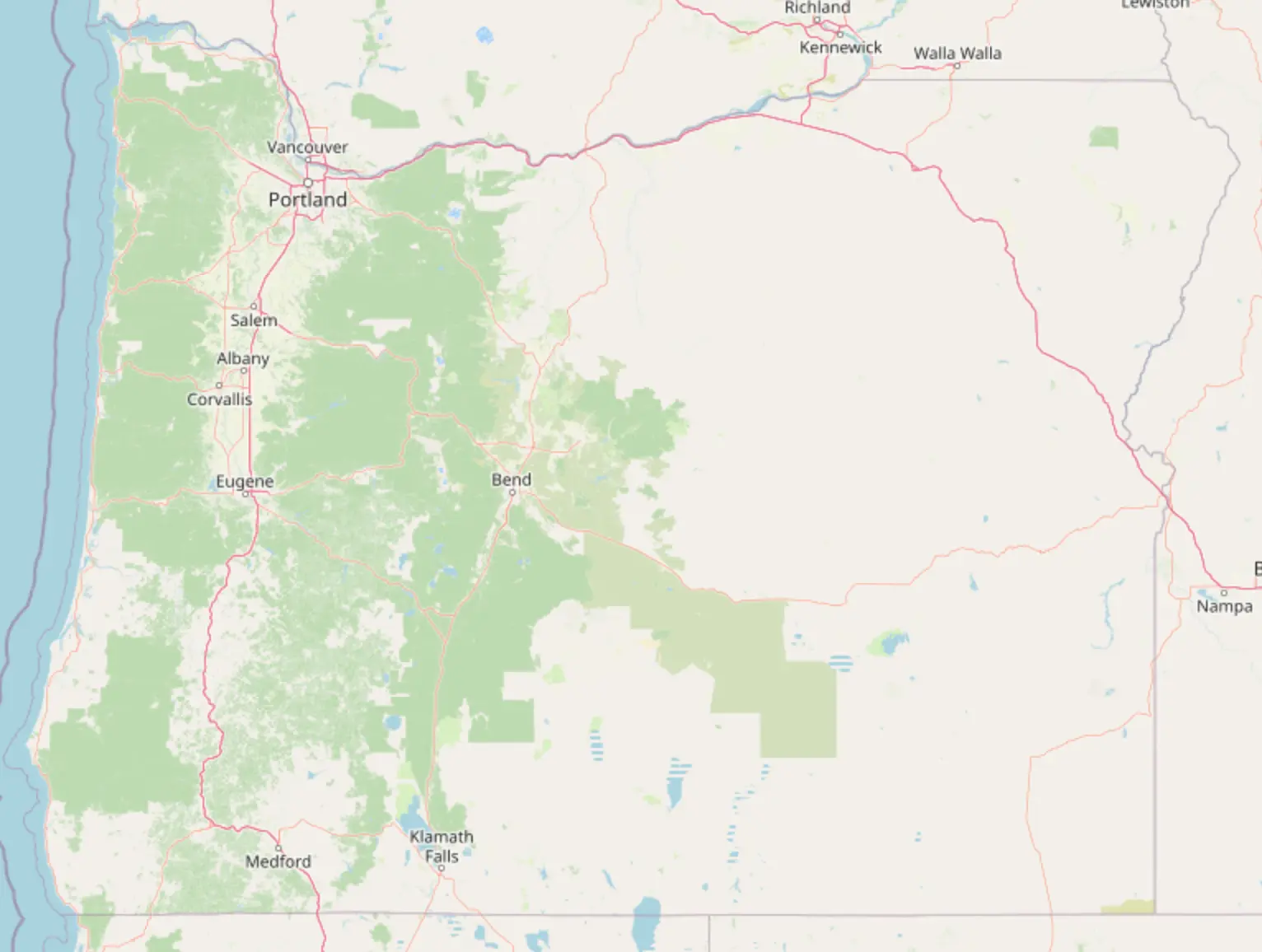
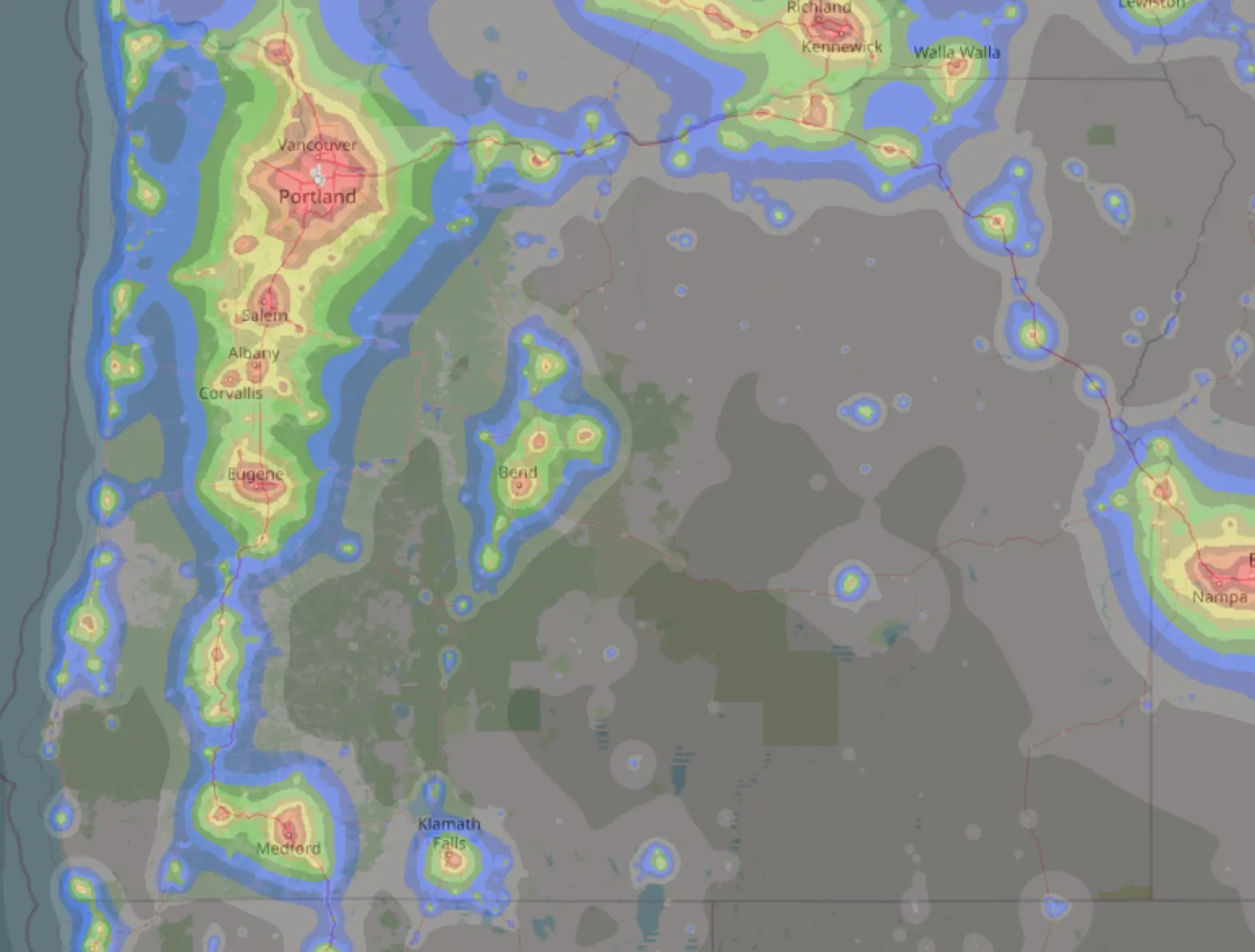
Oregon Light Pollution Map
If you plan to travel outside of Oregon for stargazing or want a more detailed map, try our dark sky map to get an idea of other places to visit.
Dark Sky Areas: Low on Bortle Scale
Now, let’s take a look at some of the best places to travel for some fun, starry times as an astrotourist in Oregon.
North Oregon
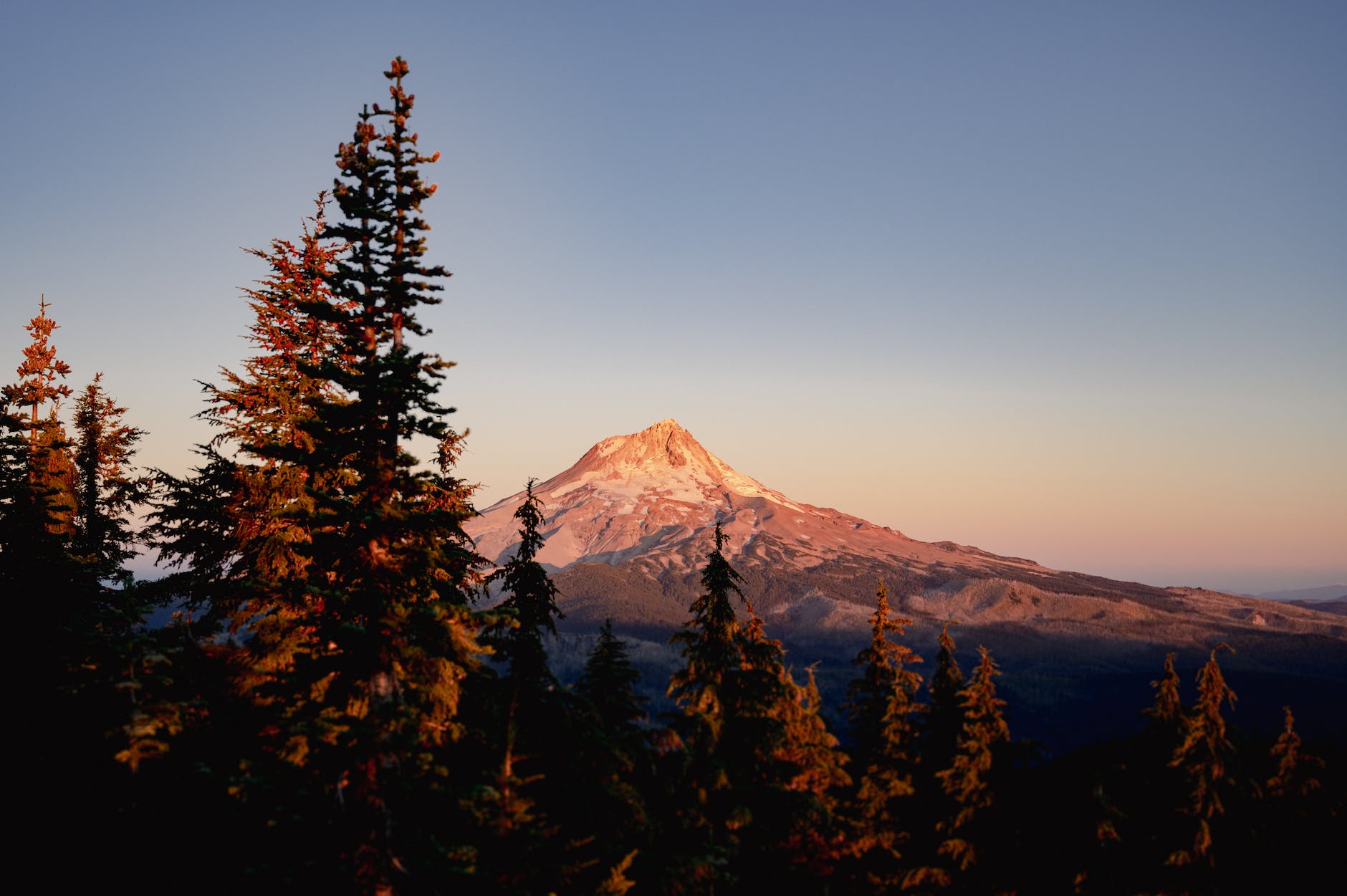
For those of you venturing out from the northern cities, we suggest aiming for the dark havens of the Willamette National Forest, where the stars are not shy. A bit farther out, the Mt. Hood National Forest also offers skies generous with their stellar displays, giving you a clear, unpolluted backdrop for the celestial dance.
South Oregon
The southern part of our state doesn’t disappoint, with the Rogue River–Siskiyou National Forest providing a hushed backdrop ideal for stargazers. The skies here are as inviting as they are clear, offering pure stellar goodness.
East Oregon
The east is where the skies open up. Locations like the Ochoco National Forest and the vast stretches around Steens Mountain are where you’ll find some of Oregon’s darkest skies, making them prime spots for your night-time escapades.
Prineville Reservoir State Park is Recognized as a Dark Sky Park and is celebrated for its commitment to preserving the natural night environment. It’s a fantastic spot for astrophotography and stargazing, thanks to its minimal light pollution.
West Oregon
Head to the coast where the skies can be surprisingly cooperative for night watchers. Between the towns, areas like the Siuslaw National Forest serve up some wonderfully dark skies that can rival any inland spot.
Central Oregon
Central Oregon presents the Deschutes National Forest, which, just outside the light halo of Bend, offers skies that can truly mesmerize the astrotourist in you. It’s a central hub for those seeking the Milky Way in its full glory.
Sunriver is an IDA-designated Dark Sky Place in this region. It has made significant efforts to reduce light pollution and promote dark sky preservation, making it a prime location for stargazing and astrotourism.
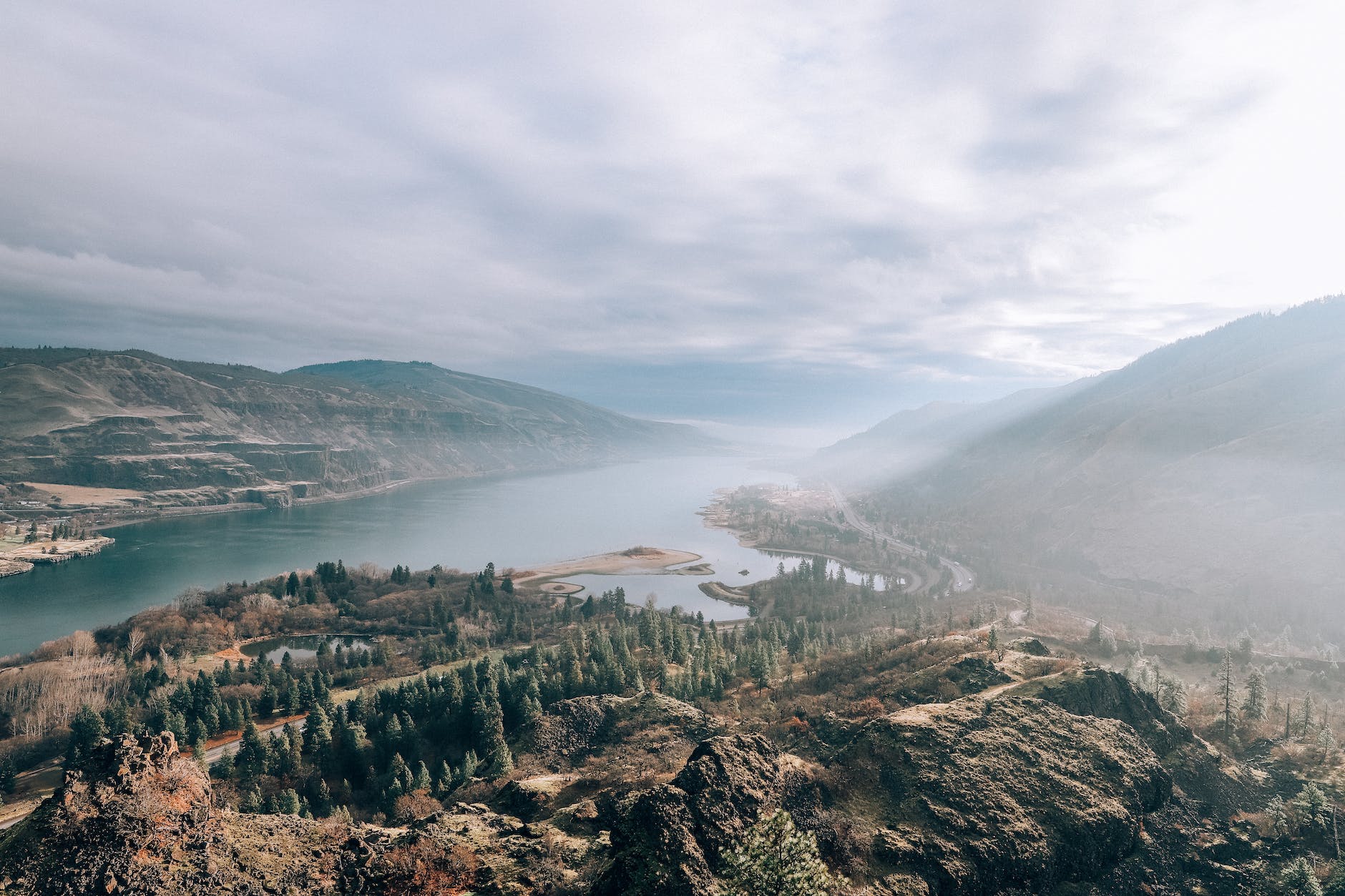
Essentially, all over the high desert, particularly in places like Prineville Reservoir State Park, are known for their clarity and darkness. You can’t go wrong if you choose this part of the state as an option for observing celestial events.
As you can see, Oregon’s dark skies serve as excellent destinations for anyone interested in astrotourism.
But what about the most light pollution in each area? Next up are the places you should avoid if you want to be able to see as many stars as possible.
The Brightest Nights: Light Pollution Hotspots
Here are some of the places in each area of Oregon that have excessive light pollution making it difficult to enjoy the night skies.
North Oregon
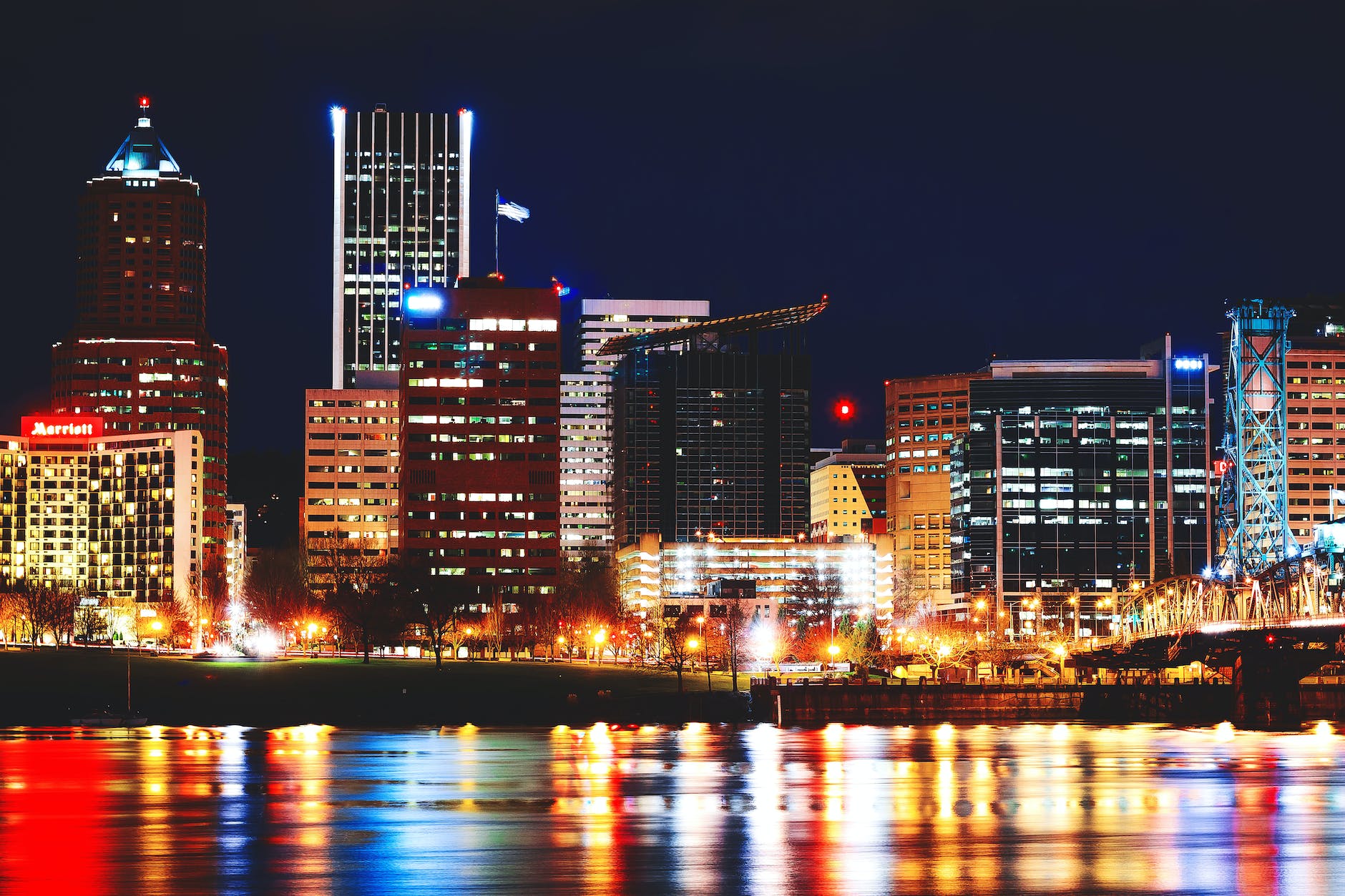
Portland, with its sprawling urban lights, is the most prominent source of light pollution in the north. Its glow extends to neighboring areas like Vancouver in Washington, significantly reducing the quality of the night sky.
Additionally, other northern cities like Salem and Eugene contribute to the bright canopy, making them less ideal for stargazing.
South Oregon
In the south, the city of Medford stands out as a notable source of light pollution. The city’s lights can be seen from miles away, overshadowing the natural beauty of the night sky. This area requires a bit more travel for those seeking the pristine darkness of rural skies.
East Oregon
In Eastern Oregon, the situation is quite different from the rest of the state. This region, known for its vast and sparsely populated areas, enjoys some of the darkest skies, free from significant urban light pollution.
Towns like Baker City and Ontario, while having some light, are not major sources of light pollution. The true allure of Eastern Oregon for astrotourists lies in its remote areas, such as the Wallowa Mountains and the areas surrounding the Malheur National Wildlife Refuge, where the night sky shines with unobstructed clarity.
This part of Oregon is a haven for those seeking a pure, star-filled sky, far from the bright lights of larger cities.
West Oregon
Eugene in the west is a significant contributor to light pollution. Its city lights cast a glow that reduces the visibility of celestial objects. This urban brightness can extend to neighboring areas, affecting the quality of night skies even in some of the more remote locations.
Central Oregon
Central Oregon, particularly around the Bend area, is an interesting mix of dark and light. While there are areas with minimal light pollution, the central urban centers like Bend create pockets of bright light, impacting the visibility of stars and other celestial events.
Geographical Influence on Stargazing in Oregon
Oregon’s topography significantly influences stargazing conditions across its distinct geographic regions. Here are some sections we have broken the state into for astrotourists.
The Coast
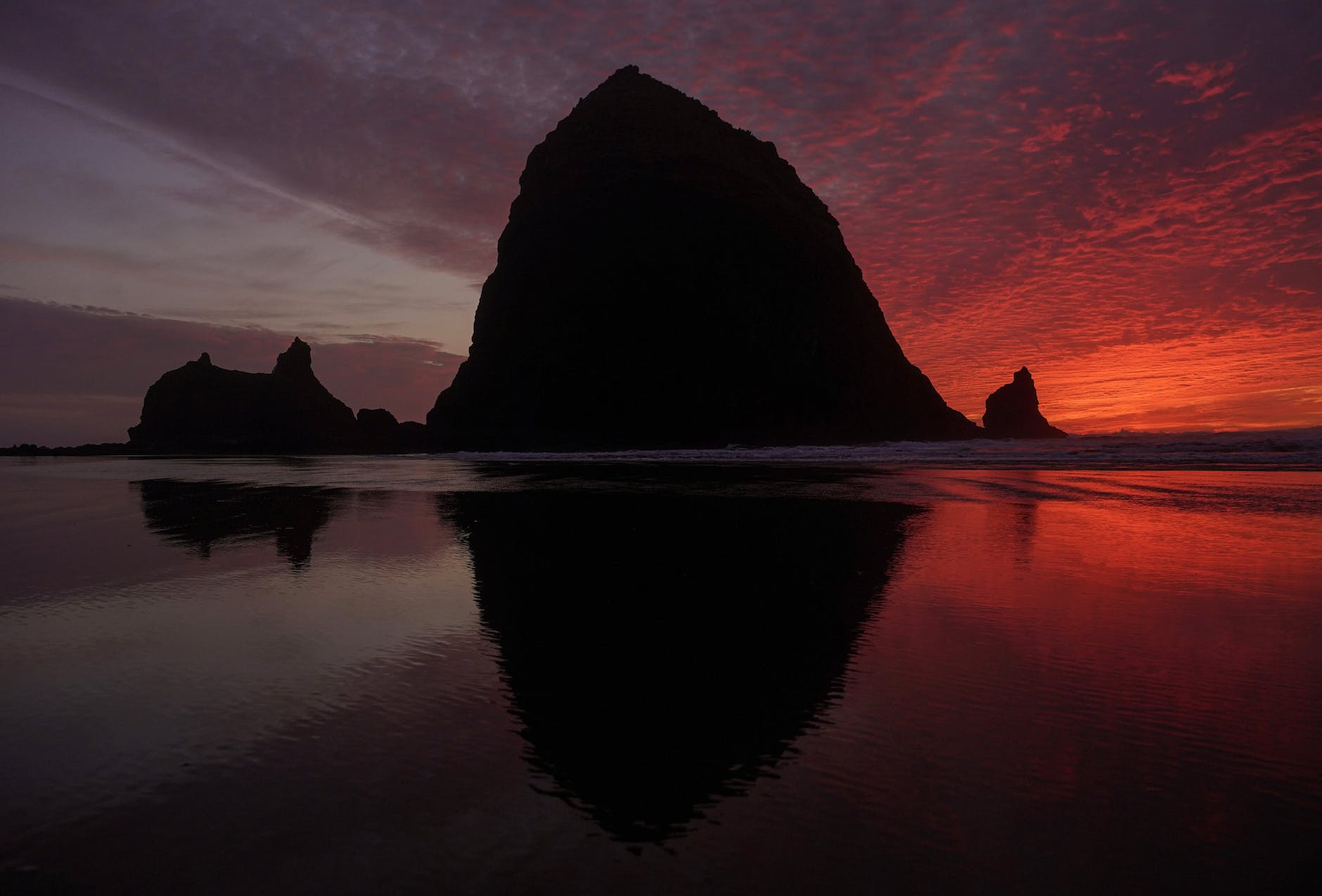
The Oregon Coast offers a range of stargazing experiences, from the foggy, forested northern shores to the clearer southern coast. While light pollution is present in towns like Astoria and Coos Bay, there are many spots like Samuel H. Boardman State Scenic Corridor where the skies are dark and the stars shine brightly.
The Willamette Valley
This fertile region, while home to cities like Portland and Salem that emit light pollution, also has rural areas where stargazers can enjoy darker skies. Silver Falls State Park is one such example where the skyglow from urban centers is faint, allowing for clearer night sky viewing.
Southern Oregon
Known for Crater Lake and the Rogue Valley, Southern Oregon combines cultural hubs like Ashland with natural wonders. While Medford and Grants Pass contribute some light pollution, the surrounding areas, including Oregon Caves National Monument, offer excellent dark sky conditions.
Eastern Oregon
Offering some of the state’s most pristine dark skies, the wide-open spaces of Eastern Oregon are ideal for stargazing. The remote regions of the Alvord Desert and the Wallowa Lake area are particularly known for their excellent night sky clarity.
Central Oregon
This high-desert region, encompassing cities like Bend and Redmond, provides diverse stargazing opportunities. While these urban areas emit some light pollution, the surrounding high desert, including spots like the Prineville Reservoir State Park, offers clear, dark skies.
Mt. Hood & Columbia River Gorge
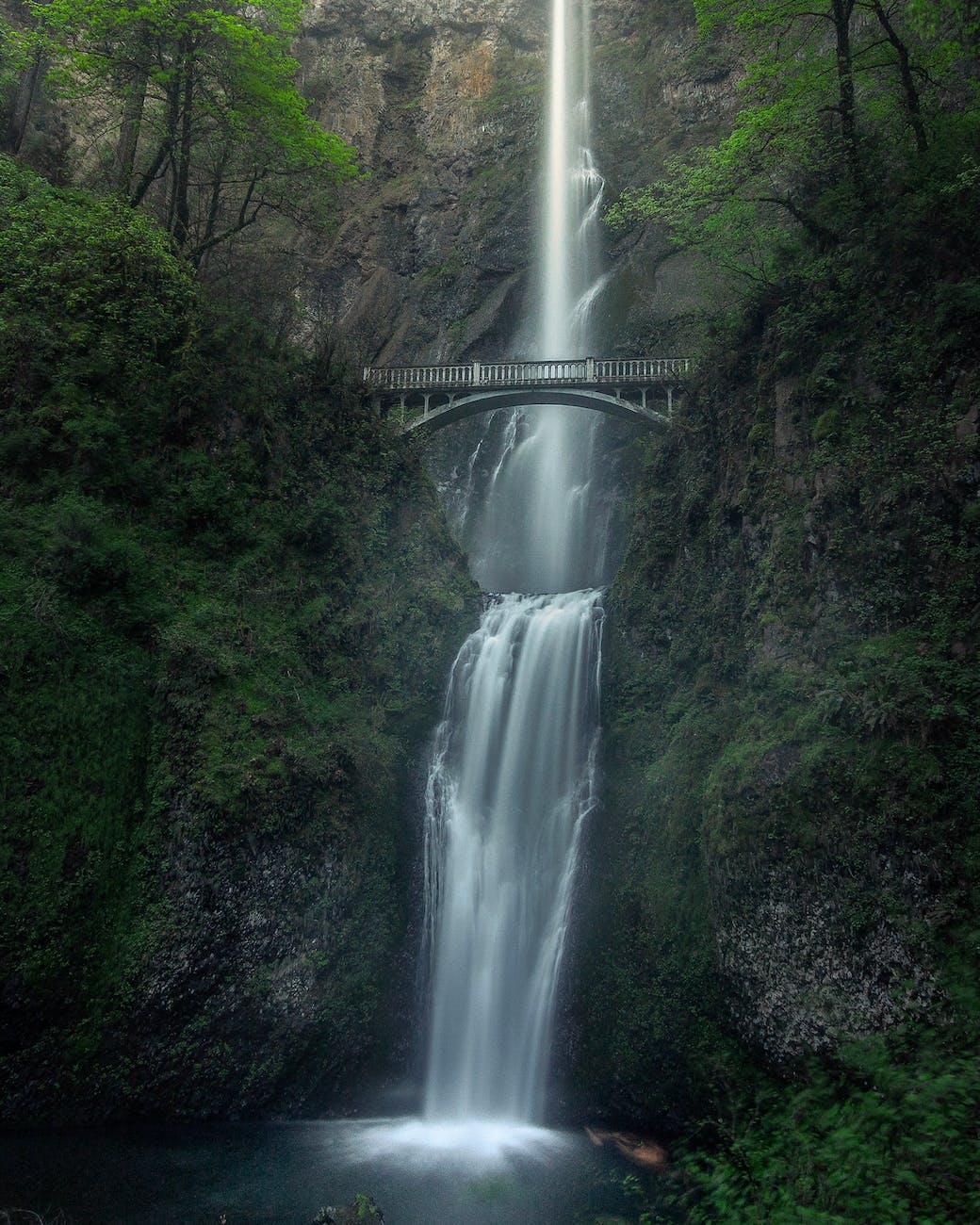
This area is an outdoor enthusiast’s paradise, with the Columbia River Gorge and Oregon’s highest peak, Mt. Hood, dominating the landscape. While the Gorge has some light-polluted areas, the higher elevations offer clearer skies for stargazers.
By understanding these regions, you can find optimal spots for observing the night sky throughout Oregon. Each region combines natural beauty which creates a range of stargazing experiences.
Stargazing Tips and Gear
For an unforgettable stargazing experience in Oregon, it’s essential to be well-prepared. Here are some tips and gear recommendations to help you make the most of Oregon’s beautiful night skies.
Location is Key
Find spots far from city lights for the best view of the stars. Areas like the Umpqua National Forest and the Alvord Desert are known for their low light pollution and provide a stellar backdrop for astronomy enthusiasts.
Timing Your Trip
Clear skies are crucial for stargazing, so always check the weather forecast before heading out. It’s also best to plan your outings around the new moon when the sky is darkest.
Essential Gear
While you don’t need much to enjoy the stars, a few items can enhance your experience. Bring a telescope or binoculars for a closer look, a comfortable chair or blanket for relaxation, and warm clothing as temperatures can drop at night. Also, a red flashlight can help you navigate in the dark without ruining your night vision.
Connect with Local Experts
Consider reaching out to local astronomy groups for the best times and places to stargaze. They often host star parties and workshops throughout the year, which can be a great way to learn and share experiences with fellow stargazers.
Remember, stargazing is an activity that requires patience. Take the time to let your eyes adjust to the darkness, and enjoy the vastness of the Oregon night sky.
Conservation and Dark-Sky Advocacy in Oregon
Oregon’s commitment to preserving its night skies is evident through ongoing conservation efforts and the advocacy of dark sky practices.
Dark Sky Sanctuary Proposal
The Oregon Outback Dark Sky Network has put forth an application to designate a Dark Sky Sanctuary across extensive parts of Harney, Lake, and Malheur counties. The initiative aims to protect the exceptionally dark skies of Harney County and its surroundings.
International Dark Sky Place
Sunriver in Central Oregon has been designated as the first International Dark Sky Place in Oregon by the Dark Sky [formerly the International Dark-Sky Association]. This achievement recognizes the community’s efforts to integrate with nature and maintain a low impact on the night sky through mindful lighting and infrastructure.
State Parks
Prineville Reservoir State Park, recognized as an International Dark Sky Park, is leading by example with special bulbs to prevent skyglow. It provides educational dark-sky programs and is just one of the places in Oregon where visitors can appreciate the stars without the interference of artificial light.
Legislative Action
Deschutes County is considering stringent lighting ordinances to curb light pollution, reflecting a trend towards statewide recognition of the importance of dark skies.
These efforts are part of a broader movement to reduce light pollution and preserve the natural night environment in Oregon.
Wrapping It Up
Oregon’s array of dark sky sanctuaries, state parks, and national forests offer stargazers excellent views of the celestial wonders. As you explore the night skies of Oregon, remember to spread the word to help preserve the beauty of the dark skies in this state for future generations.

About the Authors
We are avid stargazers Jason and Alison Takacs also known as Roadtrippin’ with Takacs. With our two boys Preston and Grayson, we seek out some of the darkest skies in the country while also going on many incredible hiking and other outdoor adventures. As part-time RVers, we try to see as much of this amazing world as possible in our spare time and hope you will join us through this blog on RWT Adventures and other forms of social media as we explore the night sky and other natural wonders as hardcore astrotourists.